I normally try to avoid posting too many plain ads here for yarn that I have for sale, as I really do want this blog to be more about technique, information, and life overall! That being said, I couldn't pass this one up.
Right now I have some extremely luxurious, stunning cashmere silk blend yarn that is on closeout. What we have left is all that we have. This yarn is amazing. It is like working with a cloud. Super soft and a joy to work with, this yarn would be perfect for any special project!
White Cashmere
This yarn also comes in a rich red color as well.
Red Cashmere
At this price, with free shipping, these yarns will *not* last long. So get yours while you can! Treat yourself to a real luxury yarn in sweater quantity!
Showing posts with label yarn. Show all posts
Thursday, December 29, 2011
Saturday, December 3, 2011
SALE - Mohair Wool Blend Lot of Yarn - Burgundy - 50 gr ball / 8 per pack, Bulky
This lot consists of 8 skeins of premium fringe yarn, burgundy in color. Each skein contains 50 g (1.76 oz) of yarn equaling 136 yards. Total yardage for 8 skeins is approximately 1088 yards. It is a luxurious yarn which works up quickly and makes beautiful scarves, hats, mittens, and other winter items. Consider buying some for the yarn lover in your life! :)
Friday, December 2, 2011
Yarn Basics: No Label, No Problem! How to Determine Weight, Fiber Content, and Yardage of Unlabeled Yarn
Sometimes you will run across yarn in
various formats (skeins, hanks, or loose) that will have no
identifying information about them. This happens fairly often if you
purchase yarn from a garage or estate sale, a thrift store, or are
given someone's old stash. Even though these treasures are unmarked,
there are ways to gather information that can help you determine what
kinds of projects would be appropriate.
First we want to determine the fiber
content of the yarn. While you may not know the specific content
amounts is the yarn is a blend, you can determine the class of fiber
in most cases. To begin with, give the yarn a good feel. Run your
hands over the yarn and take in all the qualities of it. After some
practice, you will become adept at knowing the feel of different base
fibers. Cotton is easiest to detect using feel, as it has a smooth
and cool feel. Acrylic and wool can be trickier, since higher quality
acrylics are soft and fluffy, which cause them to take on a similar
feel to wool blends.
There is a way to tell, however,
whether a yarn is acrylic or wool.
NOTE: PLEASE KEEP OUT OF THE REACH OF CHILDREN. Take a glass jar with a lid on it and write BLEACH / POISON on the side. Put a small amount of bleach in the jar and place a small cutting of the yarn in the bleach. Put it way up high, far from the reach of children, pets, or anyone else. When you check the jar in approximately 12-24 hours, if the yarn has degraded or disappeared, it is wool or wool blend yarn. Wool disintegrates in bleach. If it looks the same after 24 hours, it is acrylic.
Now we have some idea of what our yarn
consists of. Next thing that we need to know is the weight (fingering
or bulky?) and how many yards of yarn we have! The table below lists
the different weights of yarn, the number of yards per pound, and the
number of wraps per inch. Wraps per inch refers to a method of
determining weight using a ruler.
| WEIGHT | YARDS PER POUND | WRAPS PER INCH |
| Zephyr | Over 6000 YPP | Over 45+ WPI |
| Cobweb | Approx. 6000 YPP | Approx. 40+ WPI |
| Lace | 3000-6000 YPP | 36-40 WPI |
| Baby | 2400-3000 YPP | 30-36 WPI |
| Fingering | 1800-2400 YPP | 24-30 WPI |
| Sport | 1300-1800 YPP | 18-24 WPI |
| DK | 1000-1400 YPP | 12-18 WPI |
| Worsted | 900-1100 YPP | 10-12 WPI |
| Aran | 700-1000 YPP | 6-10 WPI |
| Bulky | 400-700 YPP | Approx. 8 WPI |
| Super Bulky (Chunky) | 400 or less YPP | Less than 8 WPI |
So now we have all the numbers we need
to figure out the weight and yardage of our yarn. The first thing to do
is determine how many wraps per inch our mystery yarn is. Take a
ruler and mark off 2 inches on the ruler. Take the yarn and wrap it (not too
loosely or too tightly) around the ruler, making sure that the yarn
does not overlap or leave gaping spaces, but is placed one loop
snugly against another. Continue to wrap the yarn in this manner for
2 inches, count the number of wraps created, and divide by 2. Voila!
That is the number of wraps per inch of the yarn you have. Once you
know the wraps per inch, you can get a good idea of the weight of the
yarn by referencing the chart above.
For example: You take your mystery yarn and do the wraps as per instructions above. Over 2 inches, you have 22 wraps. So you take 22 and divide it by 2 to get 11 wraps per inch. So per the chart above, this mystery yarn is worsted weight.
Next we want to determine the yardage
of the mystery yarn that we have. The easiest and most accurate way
to do this is to weigh an amount of yarn (I use 10 yards) and use
the weight to determine the yards per pound. You want to measure this
accurately so use a kitchen or postage scale if possible, or even a
grocery store produce scale. You can use a bathroom scale, but it is
likely to be inaccurate because it is not sensitive enough.
So take ten yards of yarn and weigh that. Then divide that weight by 10 to get the weight per yard. Then weigh the ball or hank of yarn and divide by the weight per yard. That will give you the approximate yardage. As you can see above, worsted weight yarn is generally between 900 and 1100 yards per pound.
While these steps may not get you the
exact information that would be on a label, it can nevertheless be
very useful in determining the type and size of project appropriate
for those mystery yarn balls!
Labels:
basics,
beginner,
crochet,
fiber,
gauge,
information,
knitting,
label,
materials,
overview,
unlabeled yarn,
yarn
Tuesday, November 29, 2011
Yarn for sale - Wool Blends Glitz Mohair Black Grey Silver Light Pink
Another beautiful yarn offered in my online store! This luxurious Mohair blend makes wonderful scarves, hats, and other gifts. Your imagination is your only limitation! This lovely yarn comes in packs of 8 for only $8.74! Buy one for yourself and one as a gift! Click here to order today!
Sunday, November 27, 2011
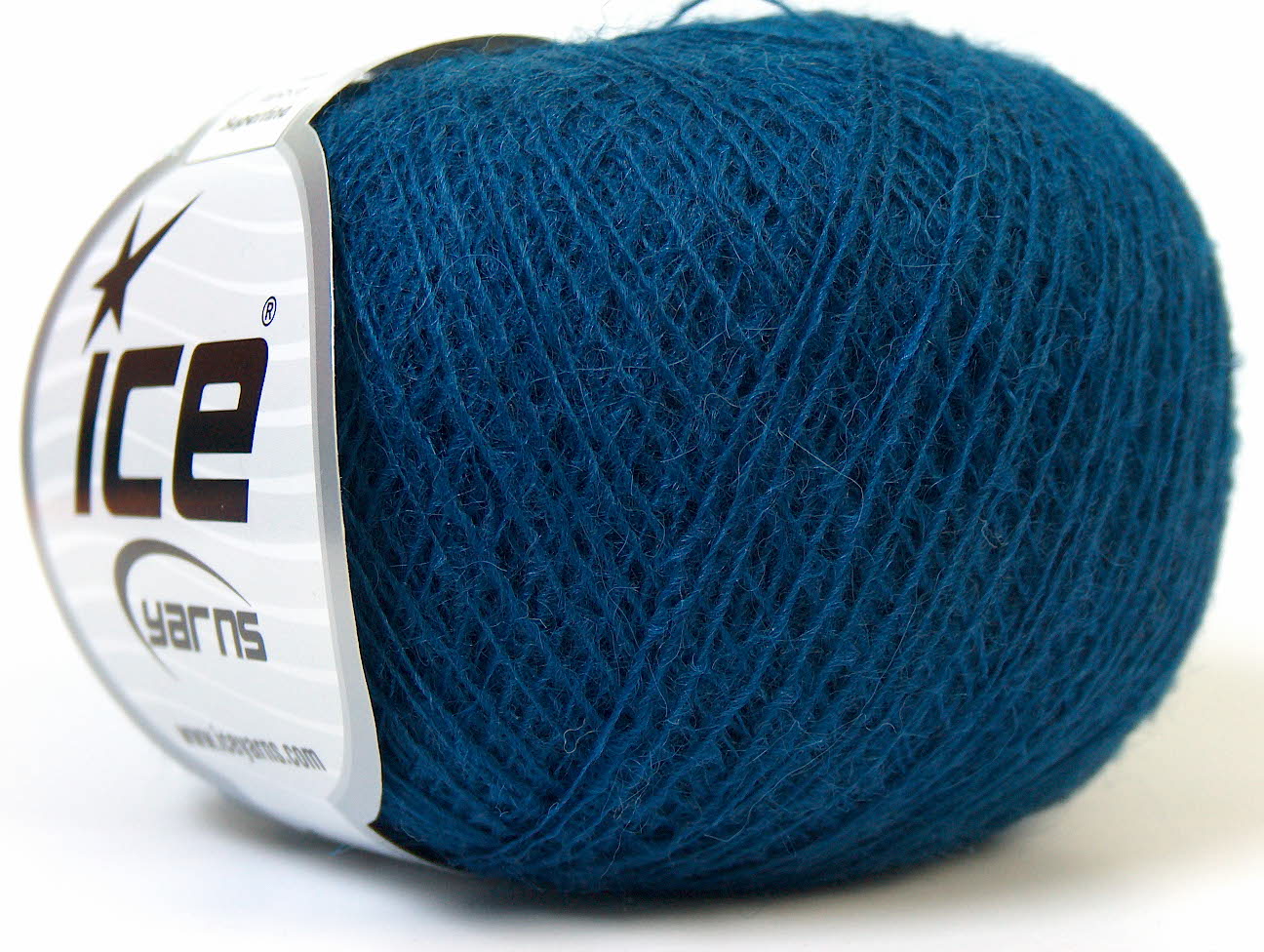
One of my favorite yarns - alpaca!
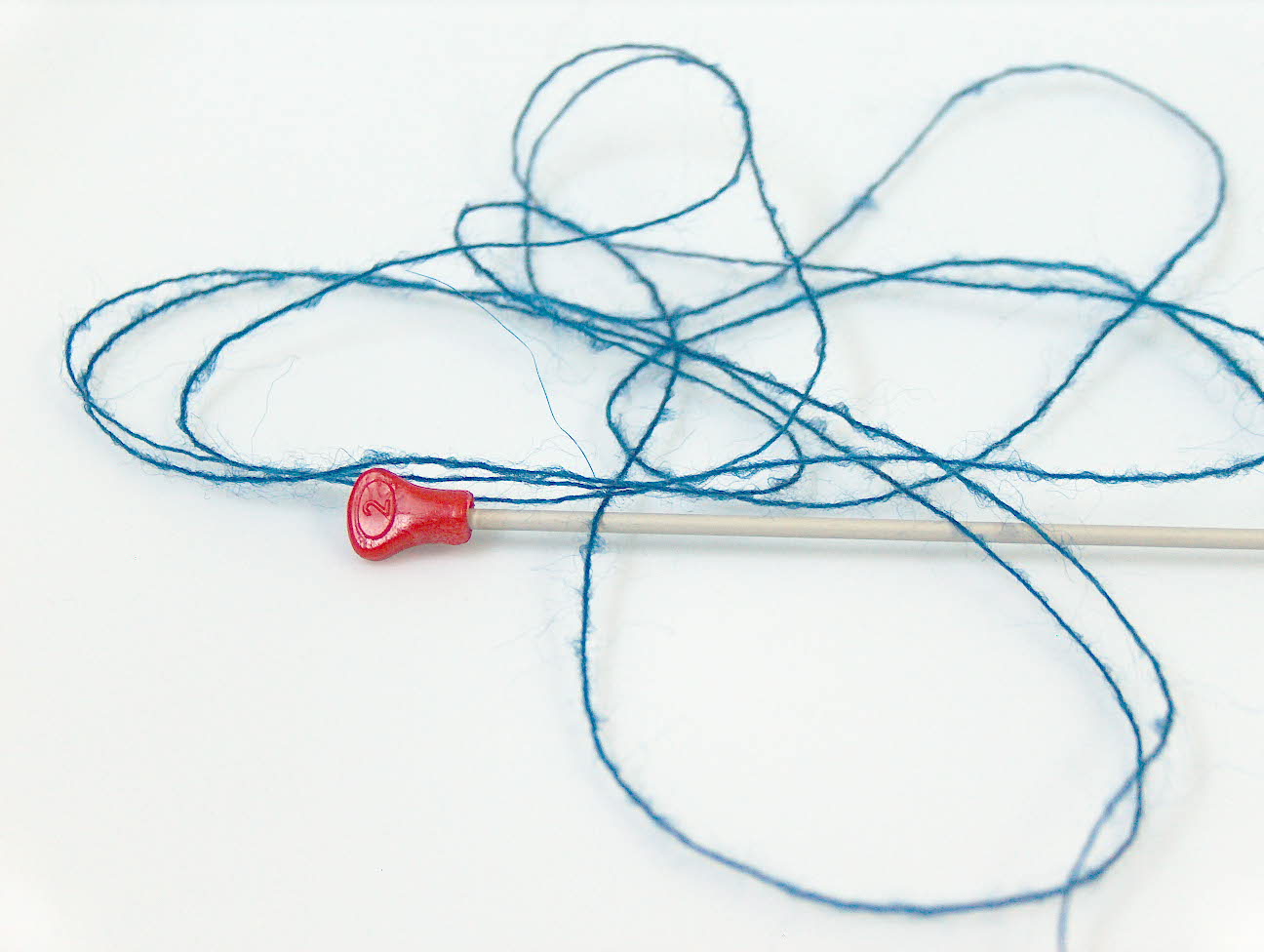
I suggest if you have not knitted or crocheted with Alpaca yarn that you give it a try! Super soft, easy to work with and it has beautiful drape. This particular yarn is a superfine weight (fingering or sock weight) and can be used for a variety of projects, such as baby clothing, blankets, scarves, hats, etc. If you are interested in a different color, fiber, or weight, click the link below and browse my store! We have many different kinds of yarn available! Thank you for looking :)
Incas Alpaca Superfine Blue Lareliw Crafts' Yarn Store
SKU : fnt2-22086Fiber Content : 35% Acrylic, 15% Merino Wool, 50% Alpaca
Needle Size : 2 mm. US 0 [UK 14]
Color : Blue
Main Color : Blue
Brand : ICE
Weight Type : 1 SuperFine: Sock, Fingering, Baby
Length : 600 meters / 656 yds.
Yarn By Type : Luxury, Alpaca
Stock Quantity : 713 (71 Lot)
Weight : 30 gr. / 1.06 oz.
Pictures
Color Options
Saturday, November 26, 2011
I have begun selling Ice Brand Yarns! They are wonderful, high-quality yarns for very reasonable prices! Please take a look at our website, Ice Yarns and consider making a purchase. These yarns are luxurious and work up quickly and easily into high-quality projects. Love this brand!
Tuesday, November 15, 2011
Knitting Basics: Abbreviations!
In order to understand knitting patterns, you must understand the common abbreviations which are used when writing them. Below is a list of common abbreviations encountered in basic patterns along with their meaning. While these will become clear and second nature over time, it may be helpful to print out the list as a reference.
[ ] - Work the instructions within the
brackets as many times as directed.
( ) - Work the instructions within the
parenthesis as many times as directed.
* - Repeat instructions following the *
as directed.
approx - approximately
BO - Bind off
CA – Color A
CB – Color B
CC – Contrasting color
cm – Centimeters
CO – Cast On
cont – Continue
dec – Decrease
DPN – Double pointed needles
fl – Front loop
g – gram
inc – Increase
k – knit
k2tog – knit 2 [stitches] together
m – meter
MC – Main color
mm – millimeters
oz – ounces
p – purl
p2tog – purl 2 [stitches] together
psso – pass slipped stitch over
rep – repeat
rnd – round
RS – Right side
sk – skip
skp – slip, knit, pass over
(decrease)
sk2p – slip, knit 2 together, pass
over (2 decrease)
sl st – slip stitch
ssk – slip, slip, knit these 2
together (decrease)
sssk – slip, slip, slip, knit these 3
together (decrease)
st – stitch
st st – stockinette stitch
tbl – through back loop
tog – together
WS – Wrong side
yd – yard
yo – yarn over
Monday, November 14, 2011
Beautiful rich violet washcloth and scrubby set
Violet Washcloth and Scrubbies Set
This listing is for a 100% cotton handmade, crocheted wash or dish cloth and 2 nubby scrubbies. Colored a rich violet, the washcloth measures 8" x 8" and the scrubbies measure 5" x 4". They are perfect for everyone in your family, even gentle enough for the little ones in your home. Ideal for bathing, showering, or use them as dish cloths for your kitchen! While they are easy on skin, they are tough on dishes and will not damage Teflon!
Treat yourself or friend to handmade wash cloths. They will last for years to come and even with heavy use, the more you use them the softer they get. The scrubbies have a naturally nubby texture which provides gentle exfoliation. Great as a gift for Christmas, stocking stuffer, baby shower, housewarming, wedding gift, or birthday! These beautiful handcrafted cloths will also save you money. They are eco-friendly, durable, and best of all reusable. Just machine wash and dry with your towel load. Some shrinkage may occur, as with all cottons.
These items are ready to ship. All items come from a non-smoking home. Please remember that colors may vary slightly from your computer screen.
This listing is for a 100% cotton handmade, crocheted wash or dish cloth and 2 nubby scrubbies. Colored a rich violet, the washcloth measures 8" x 8" and the scrubbies measure 5" x 4". They are perfect for everyone in your family, even gentle enough for the little ones in your home. Ideal for bathing, showering, or use them as dish cloths for your kitchen! While they are easy on skin, they are tough on dishes and will not damage Teflon!
Treat yourself or friend to handmade wash cloths. They will last for years to come and even with heavy use, the more you use them the softer they get. The scrubbies have a naturally nubby texture which provides gentle exfoliation. Great as a gift for Christmas, stocking stuffer, baby shower, housewarming, wedding gift, or birthday! These beautiful handcrafted cloths will also save you money. They are eco-friendly, durable, and best of all reusable. Just machine wash and dry with your towel load. Some shrinkage may occur, as with all cottons.
These items are ready to ship. All items come from a non-smoking home. Please remember that colors may vary slightly from your computer screen.
New Listing On Ebay
Please see our new listing on Ebay. While it is a crocheted item, we do accept custom orders for both knitting and crocheting! More blog tutorials coming shortly!
Ebay
Ebay
Sunday, November 6, 2011
Yarn Basics: Just How DO You Make This A Ball?
When you purchase yarn, it comes in
many forms. Skein, cone, and hank are the most common. The easiest
way to use the yarn you have is to roll it into a ball. This is
generally pretty straightforward, but the best way to unwind the original yarn form depends on which model your yarn comes in.
Skeins are usually center-pulled,
meaning there is a piece of yarn coming from the center of the skein,
which you pull and the yarn should come smoothly from the middle of
the skein. Some people choose to work from the skein without balling
it. The more preferred method, however, is to ball it because
occasionally you will encounter tangling within the skein, and it is
much easier to untangle the yarn while winding a ball than it is
while knitting a project!
Cones are similar to skeins only they
come in the shape of a cone. Because the yarn is wound around the
cone, it is generally safe to use yarn directly off the cone without
much risk of internal tangling. You can always wind it into a ball
though if you prefer!
Hanks are the most difficult yarn form
to ball. They are composed of the yarn strand, which is looped over
and over then twisted into the more stable hank-form. Therefore, you
cannot center-pull a hank or use the yarn directly from the hank as
you can with skeins and cones. Rather, you must unwind the hank,
place the giant loop of yarn over a holder, such as the back of a
chair, the hands of a helper, or a knitting swifter.
Using any of these holders, you will be able to unloop the yarn and
ball it.
Many
people who use knitting swifters also use ball winders.
The swifter is specially made to hold handspun hanks of yarn, and
the ball winder winds the yarn easily without the hassle of
untangling the looped yarn. Both the ball winders and the swifters
are incredibly useful and worth every penny if you are an avid fiber
artist.
Swift:
Ball Winder in Action:
Tuesday, November 1, 2011
Yarn Basics: Yarn Stores
There are a variety of stores, both
online and offline, that sell yarn and other knitting accessories. In
this article, different types of yarn stores will be discussed,
including major retail chains, local yarn shops (LYS), online
retailers, and the unexpected places.
Retail chains
There are many large retail chains that
either specialize in yarn and crafting supplies, or carry a diverse
amount of them. These are usually multi-state stores such as WalMart,
Joann's Fabrics, Michael's Crafts, A.C. Moore, Hobby Lobby, and Ben Franklin. These stores generally have sales/coupons advertised
online, and specialty coupons sent via email or regular mail if you
sign up for their newsletter. Prices can vary as well as selection.
Most craft stores carry a variety of brand name yarns as well as
accessories such as knitting needles and stitch holders. You can
order online or visit them in their store.
Local yarn shops (LYS)
Local yarn shops are a wonderful way to
get more up close and personal with a range of higher quality yarns.
These shops are generally locally owned and run and can provide a
more intimate purchasing experience. While the yarns can be more
expensive, they are generally more luxuriant and made with much
higher quality materials than you will find in general retail chain
craft stores. These stores also have knitting accessories, some
handmade. These can be harder to find, but check your local telephone
directory for information on these local treasures.
Online retailers
There are too many of these to name,
and many are so amazing! There are the yarn brand websites, such as
Red Heart, Bernat's, Caron, Patons, and Lion Brand. There are also
online versions of local yarn shops such as Ice, Herrschners,
Annie's Attic, Knit Picks, Knitting Warehouse, Smiley's Yarns, WEBS,
and Deramores. There are also a large amount of exceptionally
talented individual retailers who spin and dye their own handpainted
yarns. These you can find by searching such places as Etsy, Ebay,
ArtFire, and Ravelry. A large number of online groups for knitting,
yarn, spinning, and dyeing exist as well. You can search these types
of groups to find individuals who sell yarn.
Unexpected Places
A few places that are unexpected can
often lead to the cheapest yarn! Be sure to check places such as
your local Goodwill, Salvation Army, and other second-hand stores frequently, as
they tend to have large lots or bags of yarn very inexpensively.
Sometimes they will not have labels though, so it can be a grab bag.
Other good places to look for yarn are estate sales, garage sales,
classified ads, and places such as Craigslist for your area.
This is an overview of various places
that yarn can be purchased. The stores listed are merely examples,
and this is not an exhaustive list. Use search engines to your
advantage to find amazing yarns and as always, enjoy!
Monday, October 31, 2011
Yarn Basics: Labels and How to Read Them
This is an example of a yarn label. A
yarn label contains a lot of essential information about that
particular yarn. In this example, you can see the name of the company
that produces the yarn, the name of the yarn, and the weight of the
yarn in the top section of the label.
This yarn is a worsted weight yarn
called Cascade 220 Superwash. It is produced by Happy Knits, Inc.
Their website is also listed.
Next you see the fiber content. This
particular yarn is 100% superwash wool. Below the fiber, you see the
quantity of wool in grams (100 g) and ounces (3.5 oz) as well as the
length in both meters (200 m) and yards (220 yds).
Beneath the yarn fiber/length
information, you find the gauge. In this example, gauge for both US
size 7 and US size 6 knitting needles is given. Please see my article
on gauge and how it works here!
Next is information on where the yarn
is produced and who distributes it. Below this information you find
the care instructions, which are extremely important. For example, if
you wash a handwash wool in a washing machine, you may find a piece
of felt waiting for you instead of your original creation. So
please, check the washing instructions carefully!
Next you see the color and lot numbers.
These are also essential to understand, especially when making
something that uses more than one skein of yarn. If you are making
something which uses multiple skeins, such as a sweater, it is
important to make sure that you are using the same color and dye lot,
or else there can be slight discrepancies in the color. So make sure
to purchase enough yarn in the same lot to complete your project!
This is an overview of a yarn label and
how to understand what is on it. Understanding your yarn will make
each project more enjoyable!
Sunday, October 30, 2011
Knitting Basics: To Gauge Or Not To Gauge
Gauge is a word that you will see in
most knitting projects to describe the desired tension or stitches
per inch. This is crucial in certain patterns that require exact
sizing, such as clothing, but less important in patterns that are
more flexible in sizing, such as scarves, blankets, dishcloths, etc.
Each knitter has a different tension when knitting. This means that
if you have several people working with the same needle and yarn, you
will have several different sizes of finished project due to tension.
Some knit more tightly, and some knit more loosely. This is why it is
crucial to check your gauge on projects that are meant to fit a
particular person or object. If your knitting is tighter than the
pattern writer's knitting, your garment may be too small, or vise
versa.
So how do you measure gauge? Patterns
that are gauge-dependent will provide a “gauge” for you to
follow. Here is an example: 24 stitches and 39 rows = 4 inches in
stockinette stitch using #3 needles. Let's take a closer look at what
this means. This gauge example says that if you cast on 24 stitches
and knit for 39 rows using size 3 needles in stockinette stitch (Knit
Row 1, Purl Row 2, repeat), you should get a 4 inch swatch. A swatch
is the small piece of fabric, in this instance 4 inches, that you
knit to determine if you have the correct tension. If your swatch is
larger than 4 inches, your gauge/tension is looser than the
designer's, and you need to use a smaller needle to obtain the
correct gauge. If your swatch is smaller than 4 inches, your
gauge/tension is tighter than the designer's, and you need to use a
larger needle to obtain the correct gauge.
So before you start a project that is
designed to fit, take the time to check your gauge with a swatch. It
is worth the extra time to ensure the garment will fit properly!
Saturday, October 29, 2011
Yarn Basics - Yarn Fibers
There are many different yarn fibers available in all yarn weights. Each type of yarn fiber has its own attributes, and the fiber you will use will depend on the type of project you are doing. Below is a short summary of some basic yarn fibers, their qualities, and projects they are suited for.
Wool: Wool is a very popular fiber used in a variety of projects from scarves to socks. The fleece used to spin wool yarn comes from different breeds of sheep and different shearing. Wool is very warm, comes in a washable variety (superwash) and can also be used for felted projects. Some people are allergic to wool though, and others find pure wool itchy and harsh to work with.

Fleece: Fleece is a term used for the fleece of animals other than sheep. Common yarns are mohair, cashmere, and other angora blends. The fleece used to spin these yarns comes from goats and rabbits. These yarns are incredibly soft and work up quickly, making luxurious items. These yarns are generally more expensive.

Synthetic: The most common synthetic yarn is acrylic, which can vary in quality from brand to brand. It is a very easy yarn to work with. Acrylic can be washed/dried in appliances and is also very inexpensive, making it a popular yarn choice for baby projects, pet projects, afghans, and other well-loved items. Acrylic yarns come in a dazzling array of colors and all yarn weights. The downside is since acrylic is plastic, the yarn can lack the softness and definition of other fibers. It also will melt if heated, so using acrylic for a project such as a potholder would not be appropriate.

Cotton: Cotton yarn is also referred to as kitchen yarn. Most items you would find use for in a kitchen or bathroom (such as washcloths, towels, etc) are made from kitchen cotton yarn. This yarn is machine washable, absorbs water well, and holds up to wear. Cotton is a wonderful yarn to use for garments as well, due to its softness. But keep in mind that cotton does shrink when machine washed/dried.

Novelty: Novelty yarns are fun yarns to use for various projects. They are extremely different from traditional yarns. Some examples of novelty yarns are ribbon, boucle, chenille, fake fur, and thick-thin yarn. These are fun yarns to play with for projects such as a “fur” scarf, boucle blankets, and textured thick-thin hat.
Thick-thin:
Boucle:
Fake fur:
Blends: There are many variations of blended yarns. These yarns blend two or more yarn fibers together to maximize positive attributes and minimize the negative attributes of each yarn. Common blends are cotton/acrylic, wool/acrylic, cotton/bamboo, wool/nylon/spandex, etc. There are countless ways to blend yarns, so you will find many varieties!
Bamboo blend:
There are other yarns that have not been mentioned here, but these are some of the basic fibers that are frequently used. Familiarize yourself with the large variety of fibers available and, if you are able, go to a local yarn shop so you can see and feel the different yarn fibers. This will help you to develop your yarn eye.
Happy yarn shopping!
Wool: Wool is a very popular fiber used in a variety of projects from scarves to socks. The fleece used to spin wool yarn comes from different breeds of sheep and different shearing. Wool is very warm, comes in a washable variety (superwash) and can also be used for felted projects. Some people are allergic to wool though, and others find pure wool itchy and harsh to work with.
Fleece: Fleece is a term used for the fleece of animals other than sheep. Common yarns are mohair, cashmere, and other angora blends. The fleece used to spin these yarns comes from goats and rabbits. These yarns are incredibly soft and work up quickly, making luxurious items. These yarns are generally more expensive.
Synthetic: The most common synthetic yarn is acrylic, which can vary in quality from brand to brand. It is a very easy yarn to work with. Acrylic can be washed/dried in appliances and is also very inexpensive, making it a popular yarn choice for baby projects, pet projects, afghans, and other well-loved items. Acrylic yarns come in a dazzling array of colors and all yarn weights. The downside is since acrylic is plastic, the yarn can lack the softness and definition of other fibers. It also will melt if heated, so using acrylic for a project such as a potholder would not be appropriate.
Cotton: Cotton yarn is also referred to as kitchen yarn. Most items you would find use for in a kitchen or bathroom (such as washcloths, towels, etc) are made from kitchen cotton yarn. This yarn is machine washable, absorbs water well, and holds up to wear. Cotton is a wonderful yarn to use for garments as well, due to its softness. But keep in mind that cotton does shrink when machine washed/dried.
Novelty: Novelty yarns are fun yarns to use for various projects. They are extremely different from traditional yarns. Some examples of novelty yarns are ribbon, boucle, chenille, fake fur, and thick-thin yarn. These are fun yarns to play with for projects such as a “fur” scarf, boucle blankets, and textured thick-thin hat.
Thick-thin:
Boucle:
Fake fur:
Blends: There are many variations of blended yarns. These yarns blend two or more yarn fibers together to maximize positive attributes and minimize the negative attributes of each yarn. Common blends are cotton/acrylic, wool/acrylic, cotton/bamboo, wool/nylon/spandex, etc. There are countless ways to blend yarns, so you will find many varieties!
Bamboo blend:
There are other yarns that have not been mentioned here, but these are some of the basic fibers that are frequently used. Familiarize yourself with the large variety of fibers available and, if you are able, go to a local yarn shop so you can see and feel the different yarn fibers. This will help you to develop your yarn eye.
Happy yarn shopping!
Tuesday, October 25, 2011
Yarn Basics: Weights
Whether you are working from a pattern or designing your own project, the yarn weight and fiber will affect your finished product. When purchasing yarn, the label will give you information pertaining to both weight and fiber. Weight varies from thread to lace to super bulky, while fiber can be anything from wool to cotton to blends. Following is a quick overview of weight and fibers so you can be sure to choose the correct yarn for your project!
Yarn Weight
Yarn comes in a variety of weights and these weights are standardized. Below is a list of yarn weights with accompanying information such as yarn types in the category, recommended needle sizes, and the average number of stitches per 4 inches.
Super fine is the thinnest and lightest weight of yarn. This is also referred to as Lace yarn. The types of yarn which are defined as super fine include sock yarns, baby yarns, and fingering yarns. The recommended needle sizes for this weight of yarn are US 1-3. The average number of stitches per 4 inches is between 27 and 32.

Fine is the next lightest weight of yarn. It is composed of certain types of baby yarns and sport yarns. This weight of yarn is generally used on needles 3-5 size. The average number of stitches per 4 inches is between 23 and 26.

Light is a slightly heavier, but still light weight of yarn. DK and light yarns are the most common yarn types within this weight group. Common needle sizes for this yarn weight are size 5-7. The average number of stitches per 4 inches is between 21 and 24.

Medium weight yarn is also commonly known as worsted weight. It is a moderate weight yarn, and it is used in a great variety of projects. Yarn types within this weight are aran, worsted, and afghan. Common needle sizes for medium/worsted weight yarn are size 7-9. The average number of stitches per 4 inches is between 16 and 20.

Bulky weight yarn is heavy yarn, many times used for larger projects that work up quickly. Scarves, hats, mittens, and some afghans are all projects worked in bulky weight yarn. Yarn types within this weight include chunky, craft, and rug yarns. Common needle sizes for bulky yarn are size 9-11. The average number of stitches per 4 inches is between 12 and 15.

Super bulky is one of the bulkiest yarn weights, used for extremely thick projects such as rugs, thick afghans, scarves, etc. Bulky and roving yarns are included within this yarn weight. Needle sizes for bulky yarns are 11 and up. Some needles used to make things such as bath mats and welcome mats are size 50! They are as large as broom handles. The average number of stitches per 4 inches is between 6 and 11.

This is just an overview of different yarn weights. Your pattern will give you some direction as to the weight of yarn and needle size that would generally be appropriate. Do not forget to check your gauge!
Yarn Weight
Yarn comes in a variety of weights and these weights are standardized. Below is a list of yarn weights with accompanying information such as yarn types in the category, recommended needle sizes, and the average number of stitches per 4 inches.
Super fine is the thinnest and lightest weight of yarn. This is also referred to as Lace yarn. The types of yarn which are defined as super fine include sock yarns, baby yarns, and fingering yarns. The recommended needle sizes for this weight of yarn are US 1-3. The average number of stitches per 4 inches is between 27 and 32.
Fine is the next lightest weight of yarn. It is composed of certain types of baby yarns and sport yarns. This weight of yarn is generally used on needles 3-5 size. The average number of stitches per 4 inches is between 23 and 26.
Light is a slightly heavier, but still light weight of yarn. DK and light yarns are the most common yarn types within this weight group. Common needle sizes for this yarn weight are size 5-7. The average number of stitches per 4 inches is between 21 and 24.
Medium weight yarn is also commonly known as worsted weight. It is a moderate weight yarn, and it is used in a great variety of projects. Yarn types within this weight are aran, worsted, and afghan. Common needle sizes for medium/worsted weight yarn are size 7-9. The average number of stitches per 4 inches is between 16 and 20.
Bulky weight yarn is heavy yarn, many times used for larger projects that work up quickly. Scarves, hats, mittens, and some afghans are all projects worked in bulky weight yarn. Yarn types within this weight include chunky, craft, and rug yarns. Common needle sizes for bulky yarn are size 9-11. The average number of stitches per 4 inches is between 12 and 15.
Super bulky is one of the bulkiest yarn weights, used for extremely thick projects such as rugs, thick afghans, scarves, etc. Bulky and roving yarns are included within this yarn weight. Needle sizes for bulky yarns are 11 and up. Some needles used to make things such as bath mats and welcome mats are size 50! They are as large as broom handles. The average number of stitches per 4 inches is between 6 and 11.
This is just an overview of different yarn weights. Your pattern will give you some direction as to the weight of yarn and needle size that would generally be appropriate. Do not forget to check your gauge!
Subscribe to:
Posts (Atom)